


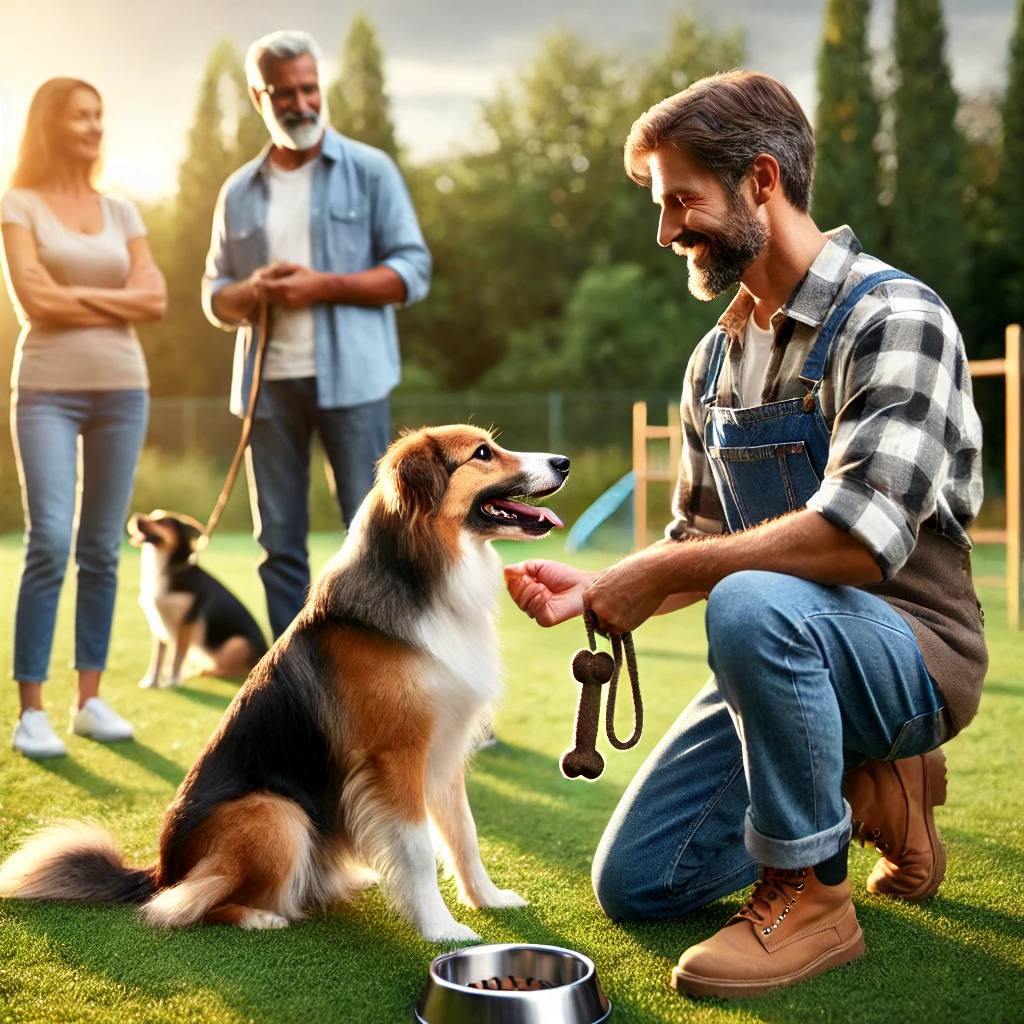
Choosing the right dog trainer is key to effective training and building a strong bond with your pup. A good trainer helps tackle behavioural issues and teaches essential commands, making life with your dog a lot smoother.
Qualifications to Look For
Certification
Find trainers certified by top-notch organisations like the International Association of Canine Professionals (IACP) or the Certification Council for Professional Dog Trainers (CCPDT).
Experience
Go for a trainer with loads of experience, especially with your dog’s breed or specific behavioural quirks.
Training Methods
Positive Reinforcement
Trainers who use positive reinforcement reward good behaviour rather than punishing bad. It’s humane, effective, and keeps your dog happy.
Balanced Training
Balanced trainers mix positive reinforcement with corrective techniques. Make sure their methods are humane and match your training philosophy.
Evaluating Potential Trainers
Observe a Class
Watch a training session to check out the trainer’s techniques and how they interact with dogs and owners.
Ask for References
Get references from past clients to see how effective and professional the trainer is.
Consultation
Schedule a consultation to chat about your dog’s needs and the trainer’s approach. This helps you figure out if they’re the right fit.
Red Flags to Avoid
Harsh Methods
Steer clear of trainers who use harsh, punitive methods or preach dominance-based techniques.
Lack of Credentials
Be cautious of trainers without proper certification or verifiable experience.
Negative Reviews
Check online reviews and avoid trainers with consistent negative feedback.
Cost Considerations
Group Classes
Group classes are usually more affordable and offer socialisation opportunities. Make sure the class size allows for some one-on-one attention.
Private Sessions
Private sessions cost more but give you personalised training tailored to your dog’s specific needs.
Specialised Training
Behavioural Issues
For severe behavioural problems, look for trainers who specialise in behaviour modification.
Advanced Training
For advanced commands or activities like agility, seek trainers with expertise in those areas.
Ongoing Support
Choose a trainer who offers ongoing support and follow-up sessions to ensure continued progress and handle any new issues.
Conclusion
Picking the best dog trainer means checking out their qualifications, training methods, and ensuring they fit your needs and philosophy. A good trainer can transform your dog’s behaviour and strengthen your bond.