


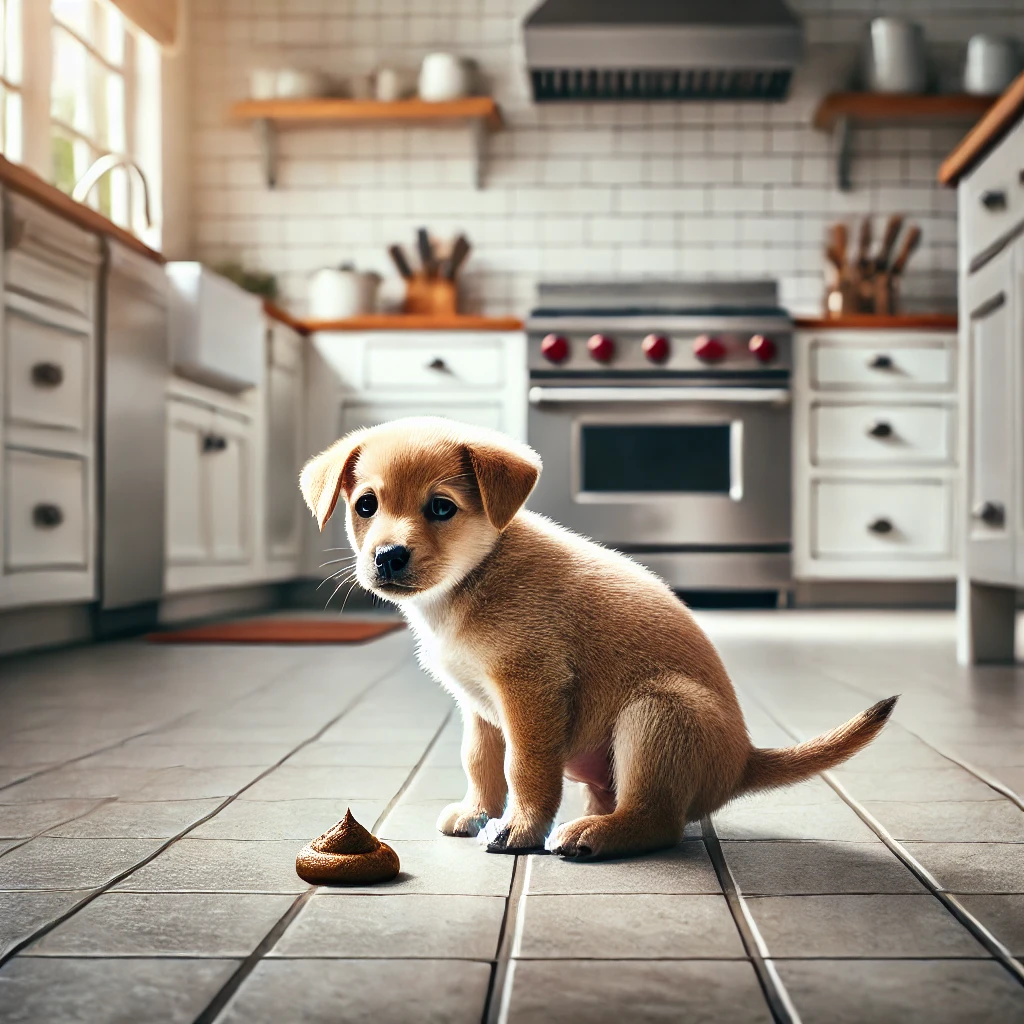
Bringing a new puppy home is a thrilling experience. With the right preparation, you can ensure a smooth transition for both you and your new furry friend.
Puppy-Proofing Your Home
Secure Hazardous Items
Puppies are curious explorers. Keep them safe by removing or securing electrical cords, chemicals, and small objects they might swallow.
Create a Safe Space
Set up a designated area with a crate or bed where your puppy can feel secure. Make sure this space is hazard-free and easily accessible.
Essential Supplies
Food and Water Bowls
Choose sturdy, non-slip bowls for food and water. Ensure your puppy always has access to fresh water.
Puppy Food
Pick high-quality puppy food recommended by your vet. Follow feeding guidelines based on your puppy’s age and breed.
Toys and Chews
Stock up on a variety of toys and chews to keep your puppy entertained and help with teething.
Collar and Leash
Get a comfy collar and leash for walks and training. Ensure the collar fits snugly but not too tight.
First Day at Home
Introduce the Safe Space
Show your puppy their designated area and encourage them to explore. This helps them feel secure and comfortable.
Establish a Routine
Start a consistent daily routine from day one, including feeding times, bathroom breaks, and playtime.
First Night Tips
Crate Training
Use a crate to help your puppy feel secure at night. Place it in a quiet area and make it comfy with a blanket and a toy.
Comfort and Reassurance
Expect some whining or barking as your puppy adjusts. Provide comfort and reassurance, but avoid picking them up every time they cry.
Feeding and Hydration
Consistent Feeding Schedule
Stick to a regular feeding schedule with multiple small meals throughout the day. This maintains their energy levels and prevents overeating.
Monitor Hydration
Ensure your puppy always has access to fresh water. Keep an eye on their intake to prevent dehydration.
Socialization and Training
Early Socialization
Introduce your puppy to different people, pets, and environments in a controlled manner. Positive experiences help build their confidence.
Basic Commands
Start with simple commands like “sit” and “stay.” Use positive reinforcement with treats and praise.
Health and Veterinary Care
First Vet Visit
Schedule a vet appointment within the first week. The vet will check your puppy’s health, provide vaccinations, and discuss a care plan.
Vaccination Schedule
Follow the recommended vaccination schedule to protect your puppy from common diseases.
Bathroom Training
Regular Breaks
Take your puppy outside frequently, especially after eating, drinking, and playing. This helps establish a bathroom routine.
Positive Reinforcement
Reward your puppy with treats and praise when they go to the bathroom outside. Avoid punishment for accidents indoors.
Conclusion
The first week with your new puppy sets the stage for their future behaviour and health. By preparing your home, establishing routines, and starting training early, you ensure a smooth and happy transition for your new furry family member.