
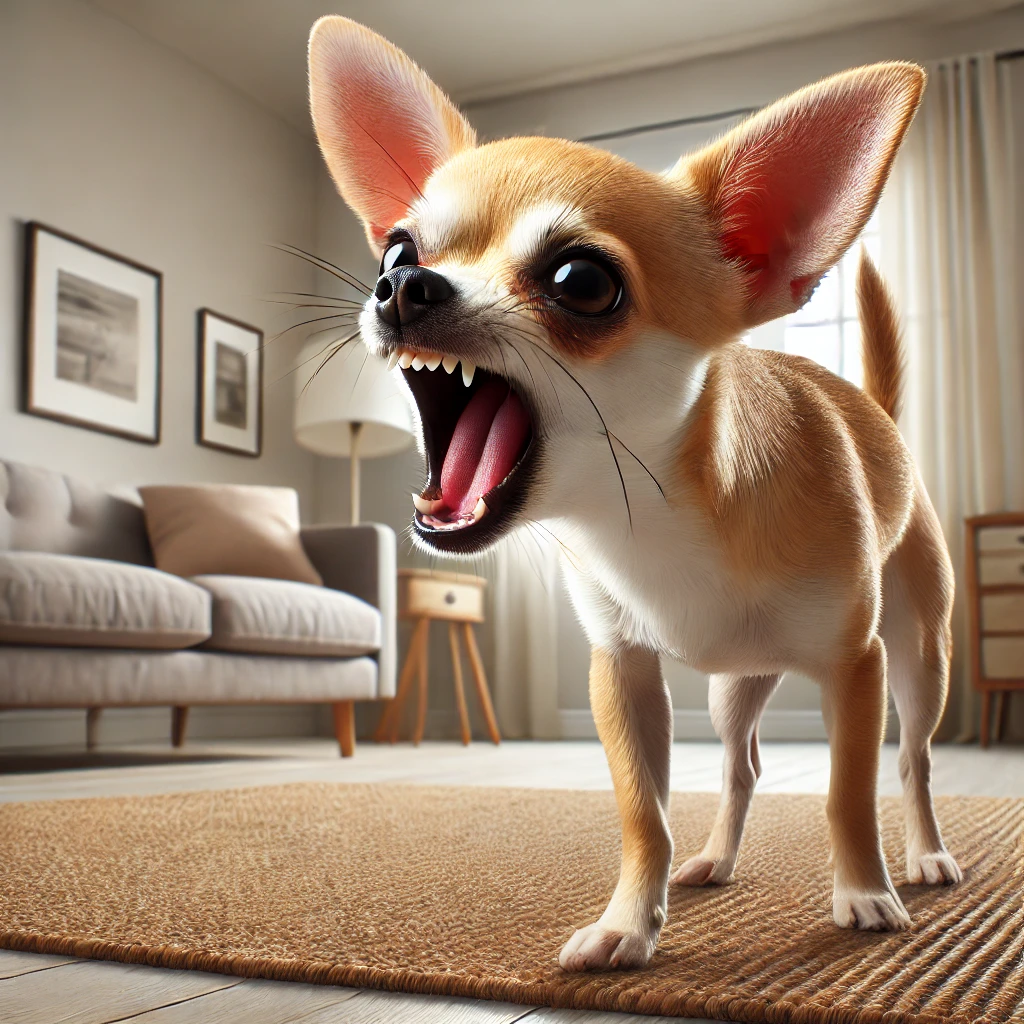
Small dog breeds are the pint-sized bundles of joy perfect for any living space. But to keep them healthy and happy, you need to understand their unique needs.
Common Traits
Size and Weight
Small dog breeds usually weigh less than 10 kg. Their compact size makes them ideal for apartment living.
Lifespan
Small breeds often outlive their larger counterparts, typically reaching 12-16 years or more.
Temperament
These little guys can be energetic, affectionate, and sometimes a bit stubborn. They tend to form strong bonds with their owners.
Health Considerations
Dental Issues
Tiny mouths mean small breeds are prone to dental problems. Regular brushing and dental check-ups are a must.
Joint Problems
Despite their size, small dogs can suffer from joint issues like patellar luxation. Joint supplements and limiting jumping can help.
Hypoglycemia
Small breeds are at risk for low blood sugar, especially as puppies. Regular, small meals help maintain their blood sugar levels.
Dietary Needs
High-Quality Food
Choose high-quality dog food made for small breeds. These foods are nutrient-dense with smaller kibble sizes.
Portion Control
Small dogs can pack on the pounds quickly. Measure their food and avoid overfeeding.
Regular Feeding Schedule
Stick to a consistent feeding schedule with smaller, more frequent meals to prevent hypoglycemia and support metabolism.
Exercise and Activity
Daily Walks
Despite their size, small breeds need regular exercise. Daily walks keep them physically and mentally fit.
Indoor Play
Keep your small dog entertained with indoor play. Toys and games are essential, especially in an apartment setting.
Training
Small breeds can be stubborn. Consistent, positive reinforcement training is key to good behaviour.
Grooming Needs
Regular Brushing
Many small breeds have long or dense coats that need regular brushing to avoid mats and tangles.
Bathing
Regular baths with a gentle dog shampoo keep their coat and skin healthy.
Nail Trimming
Keep those nails trimmed to prevent discomfort and potential injury. Small dogs often need more frequent trims.
Socialization and Mental Stimulation
Early Socialization
Expose your small dog to various people, environments, and animals from a young age to build confidence and reduce anxiety.
Puzzle Toys
Interactive toys and puzzle games keep their minds sharp and prevent boredom.
Conclusion
Small dog breeds come with unique needs that require special attention to their health, diet, exercise, and grooming. By understanding and addressing these needs, you can ensure your small dog leads a happy and healthy life.